Dental Bridge in Albemarle, NC — Restore Your Smile
If you are missing one or more teeth, a dental bridge that Albemarle, NC patients trust can help restore your smile and your confidence. At Dogwood Family Dentistry, we welcome all patients regardless of insurance provider. We're glad to file out-of-network claims on your behalf to help you maximize your benefits. We always welcome new patients to our practice.
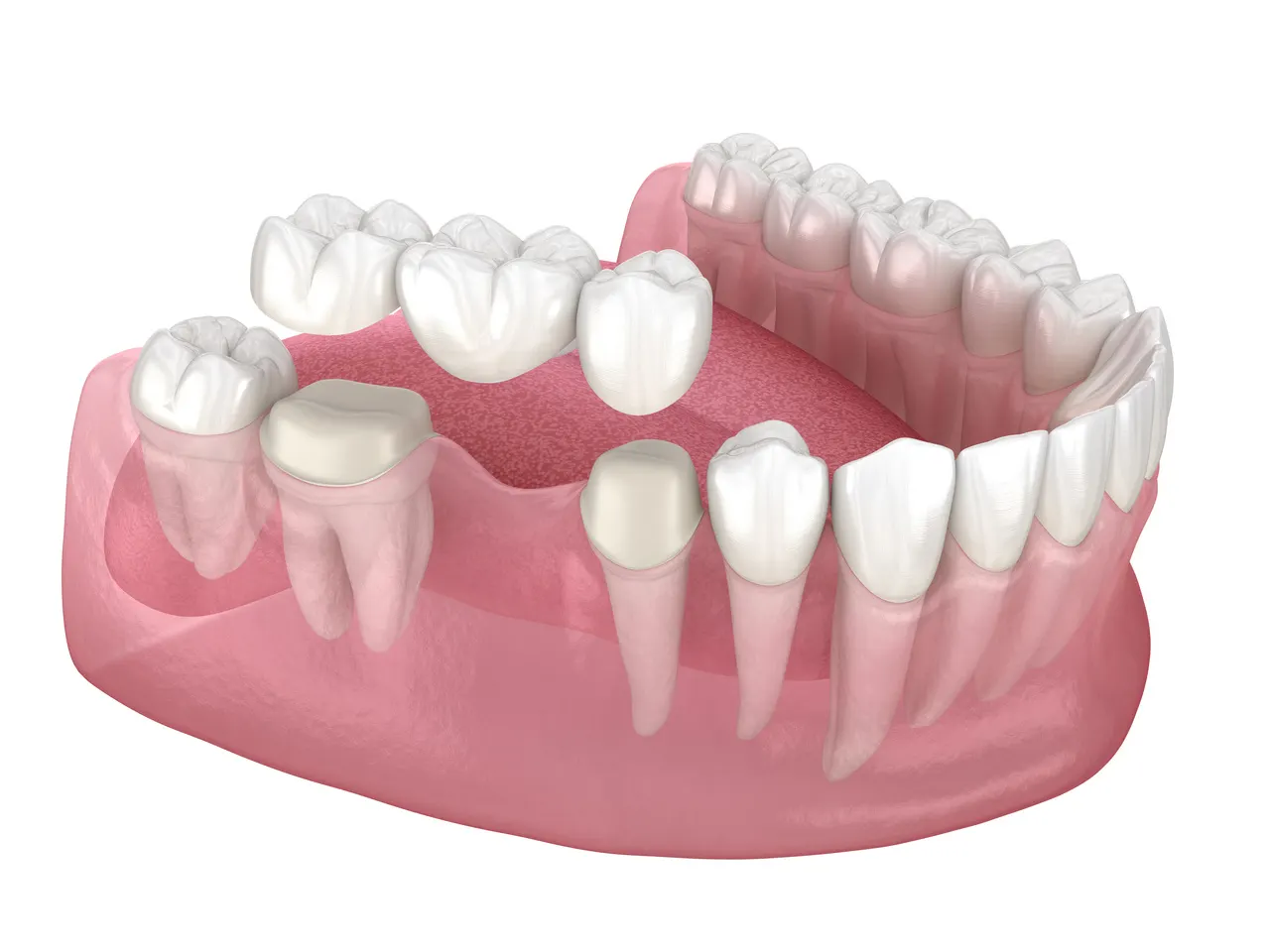
A fixed dental bridge replaces one or more missing teeth by anchoring an artificial tooth to the adjacent natural teeth.
1. What Is a Dental Bridge? (and Who Needs One)
A fixed dental bridge is a custom-made replacement for one or more missing teeth. It literally bridges the gap by placing an artificial tooth (called a pontic) between two dental crowns that anchor to the natural teeth on either side. Bridges are a good option for anyone who wants to fill a space, restore chewing ability, and prevent the remaining teeth from shifting.
Types of Dental Bridges We Offer
At our Albemarle practice, we provide several types of bridges. The most common is the traditional fixed bridge, but we also offer cantilever bridges (when only one adjacent tooth is available) and Maryland bonded bridges (a more conservative option). During your consultation, our doctors will help you choose the best fit for your situation.
2. Why a Fixed Dental Bridge May Be Right for You
Choosing a tooth bridge option in Albemarle, NC can feel overwhelming, but a fixed bridge offers several real advantages. It restores your smile quickly, keeps your bite aligned, and helps maintain your facial shape. Unlike removable partials, a fixed bridge stays in place — no clicking or slipping.
Benefits of Replacing a Missing Tooth With a Bridge
Better chewing and speaking — You can eat the foods you love and speak clearly again.
Prevents teeth from shifting — Gaps can cause nearby teeth to tilt or drift.
Supports your bite — Reduces strain on your jaw joints.
Natural appearance — Modern materials match the color and translucency of your natural teeth.
3. Dental Bridge vs. Dental Implant — Which Option Fits Your Situation?
Both bridges and implants can replace missing teeth, but they work differently. The table below compares the key differences to help you decide. For a deeper look at implants, visit our dental implants page.
Feature
Dental Bridge
Dental Implant
Procedure invasiveness
Non-surgical; requires shaping adjacent teeth
Minor oral surgery to place a titanium post
Timeline
Typically 2 appointments over 2–3 weeks
Several months from placement to final crown
Cost range
Generally lower upfront cost
Higher upfront investment
Bone preservation
Does not prevent bone loss in the gap
Stimulates bone and prevents loss
Longevity
10–15 years with proper care
20+ years or lifetime with good maintenance
Candidacy requirements
Healthy teeth on either side of the gap
Sufficient bone density; good overall health
Maintenance
Flossing under the bridge required
Normal brushing and flossing around the implant
A bridge can be a great choice if you want a faster, non-surgical solution. An implant may be better if you are looking for long-term bone health and longevity. We’ll talk through both options during your visit so you feel confident in your decision.
4. What to Expect During Your Bridge Appointment at Dogwood
We want your visit to feel comfortable and clearly explained. Here is what the process looks like for a fixed dental bridge Albemarle patients choose.
Step-by-Step: From Consultation to Final Placement
1 Consultation and exam — Our doctors will examine the area and take digital X-rays to check the health of the supporting teeth.
2 Tooth preparation — The two adjacent teeth are gently shaped to fit the crowns. Local anesthesia keeps you comfortable the whole time.
3 Impressions — We take a digital scan (no messy goop) and send it to our lab or use CEREC for same-day crowns when possible.
4 Temporary bridge — You will wear a temporary bridge while your permanent one is being made.
5 Final placement — A few weeks later, we remove the temporary and bond the permanent bridge in place. We check the fit and bite to make sure everything feels natural.
5. Financing and Insurance for Dental Bridges in Albemarle
We believe cost shouldn't stand between you and a healthy smile. We provide clear, itemized treatment estimates for every patient, regardless of insurance provider. We're glad to help you understand your out-of-network benefits and file claims on your behalf so you can seek reimbursement. For those without insurance, we offer CareCredit and Cherry financing, including 0% options for qualified patients. Visit our insurance and financing page for more details.
6. Frequently Asked Questions About Dental Bridges
How long does a dental bridge last?
With proper care and regular dental visits, a fixed bridge typically lasts 10 to 15 years. Good oral hygiene and avoiding hard or sticky foods can help extend its lifespan.
Does getting a dental bridge hurt?
No. The process is done under local anesthesia, so you won't feel pain during the preparation or placement. Some patients experience mild sensitivity afterward, but it fades quickly.
What happens if I leave a missing tooth untreated?
An untreated gap can cause nearby teeth to shift, leading to bite problems, jaw pain, and a higher risk of gum disease. It can also make chewing harder and change your facial shape over time.
Can I eat normally with a dental bridge?
Yes. Once your bridge is permanently placed and you’re used to it, you can eat most foods normally. We recommend starting with soft foods for a few days and gradually returning to your regular diet.